Blog
What Should You Check in a Lift Maintenance Agreement?
Start with the lift and the job it does
A maintenance agreement is only useful if its scope matches the lift it covers and the way people rely on it. Before comparing proposals, write down what equipment is on site, where it serves the building and what happens if it cannot be used. A passenger lift serving several floors has a different role from a goods lift or a dumbwaiter, so avoid treating all equipment as interchangeable.
Then consider the pattern of use. Is the lift used regularly by residents, staff, visitors or deliveries? Does it serve an important accessible route? Are there periods when access to the building or lift machinery is restricted? These details help you judge whether the proposed maintenance arrangements fit the site, rather than simply comparing a list of included items.
For buildings across London, use can vary considerably between a private home, a managed property and a busy commercial site. The right questions are specific to the equipment and its role in that building.
Find out exactly what planned maintenance covers
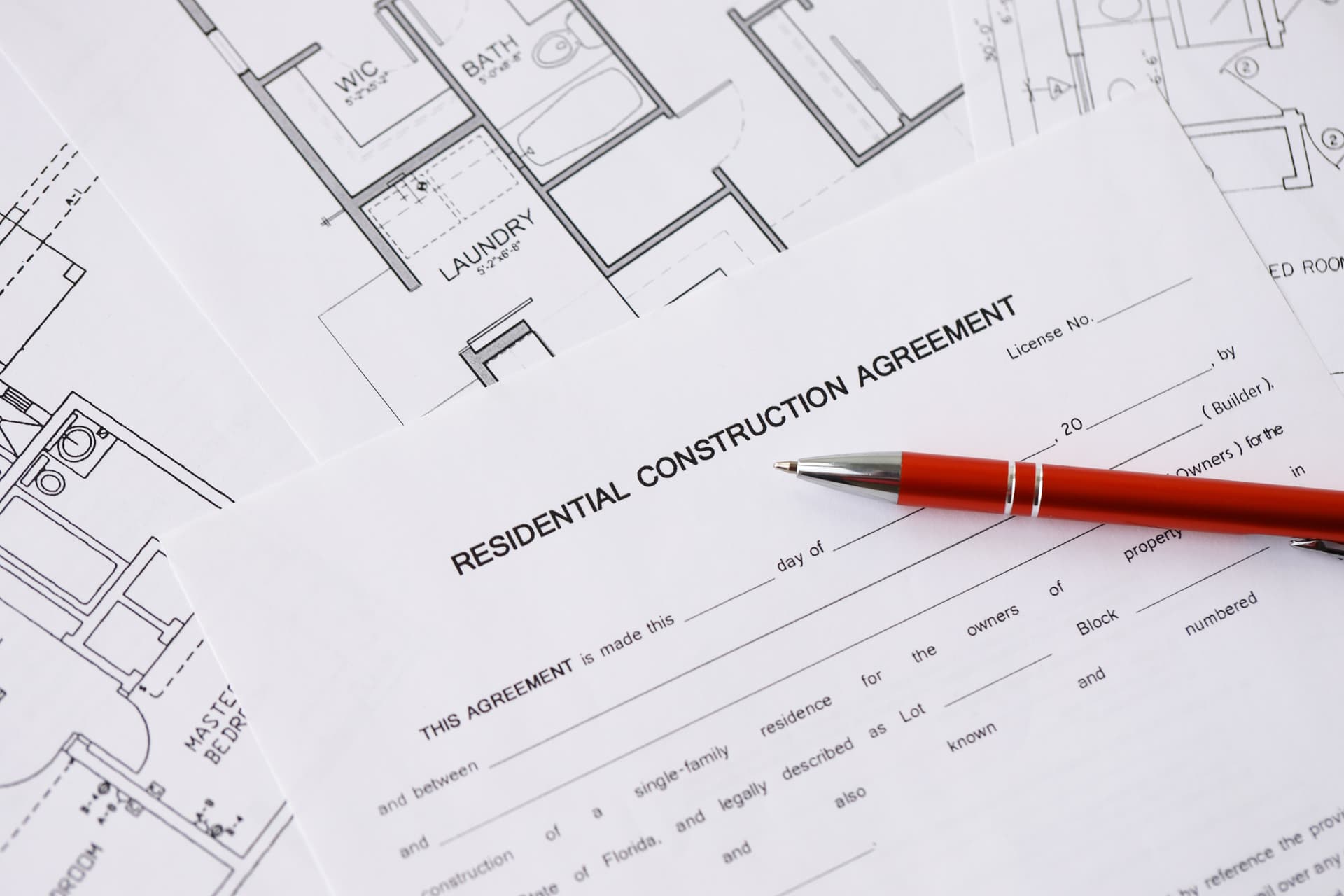
Ask for a written description of what the planned maintenance includes. It should make clear what planned visits involve, which parts of the lift are included in the work and how any recommendations or defects will be reported. If the description only says “routine maintenance”, ask what that means in practice. You need to be able to understand what is being checked and what would be treated as a separate repair.
Also clarify how the agreement deals with faults found during a visit. Does the maintenance provider explain the issue and the next step? Who authorises additional work, and how will you be told if a repair is outside the agreed scope? Clear answers help you avoid confusion when a routine visit identifies a problem that needs attention.
Do not assume that a maintenance agreement automatically covers every repair, replacement part or type of work. Ask the provider to explain what regular maintenance includes, what happens when the lift develops a fault, which repairs are separate, and what is not covered. If the lift has an existing fault or known limitation, raise it before agreeing the scope. That gives both sides a clearer starting point.
Compare the fault response, not just the visit schedule
A planned visit and a response to a breakdown are different parts of the arrangement. Check how faults are reported, who can contact the provider, what information they will need and how the next steps are communicated. If the building is managed by someone else, confirm that the right people know how to raise an issue and approve work.
Read any call-out wording carefully. Ask whether it says when help is available, when someone will arrive, what they will check to identify the fault, or whether they will repair it, because those are not the same thing. Find out what happens if a fault cannot be resolved during the first attendance and whether any further work needs separate approval. These details matter when you are deciding whether the agreement suits how the building needs to use the lift.
Check the responsibilities on both sides
An agreement works best when it is clear who does what. Ask what access the maintenance provider needs and what the building manager or owner must arrange. Consider access to the lift, relevant equipment and any areas that need to be made available. Confirm how visits are recorded and who receives reports or recommendations.
If you manage several properties, check whether each lift and site is described separately. A single summary can make it difficult to see whether the arrangements account for differences in equipment, access or use. Keep a record of the work included in the agreement and the contact details available to anyone responsible for reporting faults or organising access.
Decide whether the agreement fits your building
Before you accept an agreement, test it against a few real situations. What would happen if the lift stopped working while the building was occupied? Who would report it? What information would they provide? If a planned visit identified a defect, who would review the recommendation and decide what to do next?
If the answers are vague, ask for clarification before relying on the agreement. The aim is not simply to select the longest list of services. It is to understand what is covered, what is separate and whether the arrangements suit the equipment and the people who depend on it.
For an overview of our Lift Maintenance, speak with us about the lift, its use and the building’s requirements. Here at Chaplin Lift Group Ltd, we can help you clarify what information is needed to discuss a maintenance arrangement for your London property.
Other Articles